
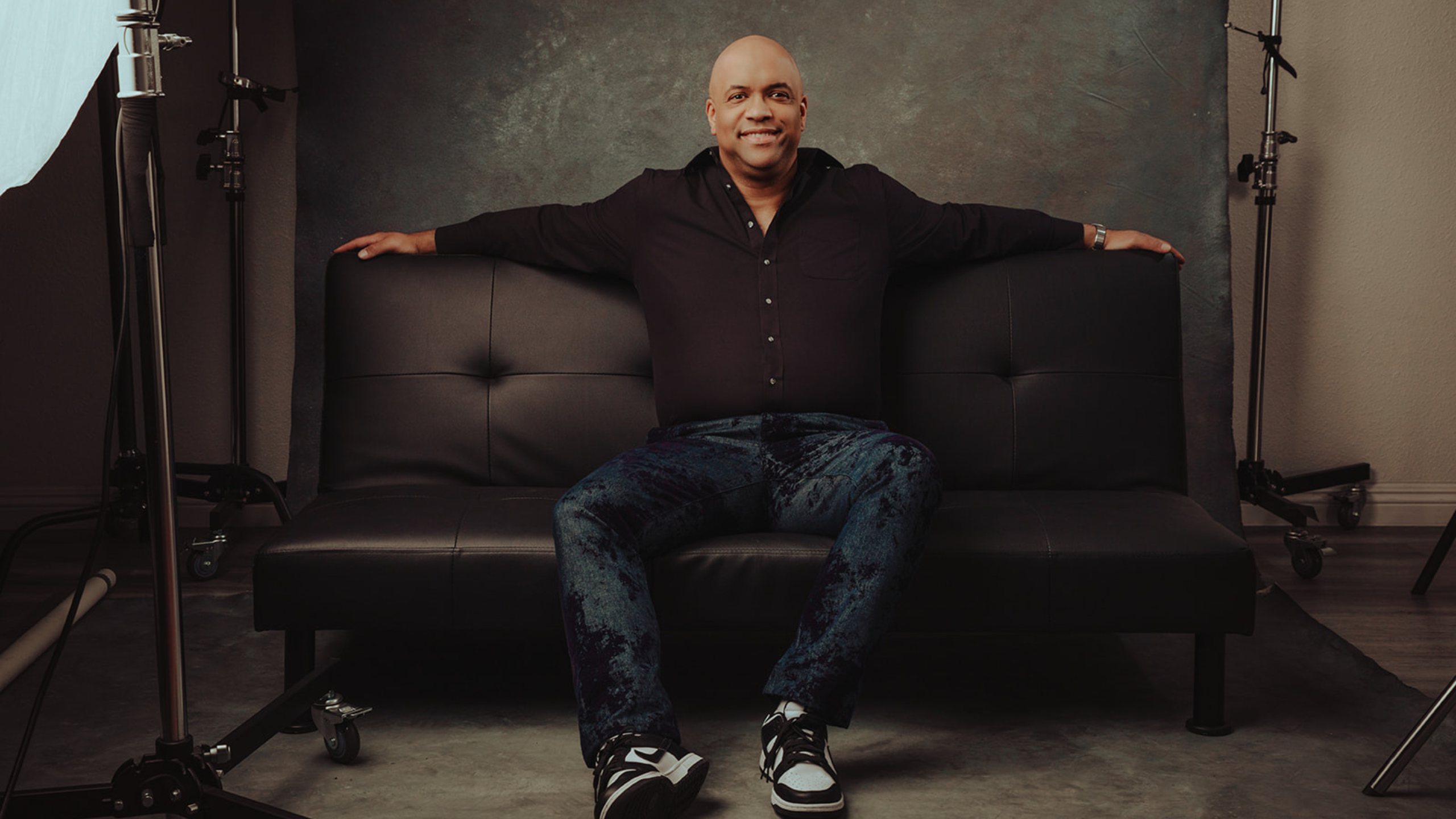
I've learned the hard way that your mental health keynote speaker can make or break EVERYTHING.
A few years back, I watched a well-meaning speaker completely derail a corporate wellness event. Within five minutes, half the audience was checking their phones. By minute ten, people were checked out, and a few left the room. The speaker had good intentions but zero understanding of trauma-informed presentations, appropriate language, and just how to read a room. They shared graphic details about their suicide attempt without any context or support resources.
It was a disaster.
Since 2011, I've been speaking professionally about mental health at universities, Fortune 500 companies, healthcare organizations, and nonprofits worldwide. Through my relationships with meeting planners and watching countless presentations – both amazing and terrible – I've figured out what separates speakers who actually help people from those who cause more harm.
Here's what I know: choosing the wrong mental health speaker doesn't just waste your budget. It can erode trust, cause real emotional harm to your attendees, and seriously damage your organization's credibility [9].
The impact can be life-changing for better or worse.
People decide whether they feel safe in an environment within minutes [9]. And that decision starts the moment your keynote speaker opens their mouth. Everything that happens at your event – the workshops, the networking, the follow-up actions people take – depends on whether your speaker creates psychological safety and good energy or destroys it from the very beginning.
I'm going to show you exactly how to choose a mental health speaker who delivers real value, not just empty inspiration. Because your audience deserves better than someone who talks at them without truly understanding what they're actually going through.
Your Speaker Sets the Emotional Temperature for Everything That Follows
What I've Learned About Emotional Safety (The Hard Way)
As I said earlier, here's something most event planners don't think about: your choice of mental health speaker determines whether people feel safe enough to actually engage. Not just whether they'll clap politely – whether they'll open up or shut down completely.
I've watched this happen over and over again. Audiences make judgments within one-tenth of a second of seeing a speaker's face [11]. Two minutes in, their opinions are SET IN STONE based on body language and presence [11]. When you're dealing with mental health topics, this snap decision controls everything.
People either trust you or they don't. There's no middle ground.
The speakers who get this right? They create a sense of emotional safety through ethical storytelling, evidence-based content, and clear boundaries [10]. They give people resources. They use language that doesn't make anyone feel horrible about their struggles. This lets vulnerable conversations happen without accidentally causing more pain.
The ones who don't understand this create disasters waiting to happen.
Trust Beats Everything Else
Communication isn't really the issue at these events. Trust is [3].
When I see a mental health speaker who demonstrates real authenticity through their personal story, they're building the foundation on which everything else depends [4]. I know I'm repeating myself, but again, your speaker shapes how participants experience everything that comes after [10]. That opening voice sets the emotional and intellectual context for learning.
This matters more than you think.
Attendees connect your speaker's quality directly to your organizational standards. A strong mental health motivational speaker reinforces your credibility and shows you take this seriously [10]. When audiences feel understood by the speaker, they stay engaged [5].
When they don't? They check out mentally and sometimes physically.
When It Goes Wrong, It Goes Really Wrong
Poor speaker choices become dangerous when you're addressing mental health, recovery, or trauma. For example, I've seen speakers so the following:
- Use triggering language without context
- Share graphic stories that retraumatize people
- Promote harmful stereotypes
- Encourage unhealthy coping strategies [10]
The result? Emotional distress and destroyed trust [10]. People start checking phones, whispering to neighbors, or straight up walking out [11]. Once engagement collapses, it's over.
But the damage doesn't stop when the presentation ends. Dissatisfied attendees will tell everyone about their experience through surveys, social media, and word of mouth [11]. Instead of building your reputation, a weak speaker destroys it, making it harder to attract quality attendees, sponsors, or future speakers [10].
I've seen events never recover from one bad speaker choice.
Get Clear on What You Actually Need (Before You Start Making Calls)
You can just Google “mental health speakers” and pick whoever has the best website.
Big mistake.
After watching too many mismatched speakers bomb in front of confused audiences, I learned that successful events start with brutal honesty about what you're trying to accomplish. You can't just throw a speaker at a problem and hope it works.
Here's what I wish someone had told me before I began my speaking career:
Know Exactly Who's Sitting in Those Chairs
Your audience isn't just “people who need to hear about mental health.” They're specific humans with specific problems.
Survey your attendees about their actual challenges and stress management approaches [7]. The data might surprise you. Young adults aged 18-34 reported the poorest mental health among surveyed groups, with 27% rating their mental health as poor or fair [6]. Meanwhile, older adults aged 65 and above showed more positive attitudes, with 92% agreeing that having a mental health disorder is not something to be ashamed of [6].
Ask yourself these questions:
- Are they patients, caregivers, healthcare providers, or corporate employees?
- What keeps them awake at night?
- What mental health topics make them shut down versus lean in?
For corporate events, determine whether your people are dealing with burnout, remote-work isolation, or leadership stress. Universities might need speakers addressing student anxiety or suicide prevention. Healthcare organizations often prioritize provider resilience and secondary trauma.
Each group brings completely different perspectives and needs [6]. A speaker who crushes it with college students might fall flat with C-suite executives.
Define What Success Actually Looks Like
“Improve employee wellness” isn't a goal. It's a wish.
Write S.M.A.R.T. objectives: Specific, Measurable, Achievable, Realistic, and Time-bound [12]. For example, “increase by 10% the number of employees who utilize EAP services within three months” gives you something concrete to measure.
I have heard way too many meeting planners share stories about events where everyone said they “loved” the speaker, but nothing changed afterward. Feel-good moments don't equal real impact.
Define your success metrics before the event begins [6]. Will you measure follow-up actions, resource utilization, or feedback scores? Clear objectives help you evaluate whether your mental health keynote speakers actually delivered value or just made people feel temporarily inspired.
Figure Out Your Core Message
What do you want people walking away saying to their spouse that night?
Key messages clarify what you want your audience to hear, understand, and remember [9]. Answer these questions:
- What specific problem are you solving?
- Why should they care about fixing it?
- What can they do about it tomorrow morning?
Avoid technical jargon. Keep messages concise [10]. Mental health keynote speakers who provide three to five practical takeaways create more impact than those offering vague inspiration [11].
I've seen too many speakers who try to cover everything and end up saying nothing meaningful.
Match Your Format to Your Purpose
A 40-minute presentation works for event openings, while 30 to 35 minutes suits closing sessions to avoid fatigue [11]. For packed agendas, 20 to 25 minutes plus discussion respects cognitive load [11].
Shorter keynotes under 45 minutes deliver high-impact inspiration, while workshops enable hands-on learning [6]. Consider whether you need breakout sessions, panels, or experiential formats beyond the main presentation.
The bottom line? Get crystal clear on these basics before you start reaching out to speakers. It'll save you from expensive mistakes and actually deliver the results your audience needs.
SIDE NOTE: Check out these resources for event planners, topic options, and videos, and feel free to contact me if you're considering hiring a mental health keynote speaker.
The Five Types of Mental Health Speakers You'll Encounter (And What You Actually Get)
I've shared stages with all kinds of mental health speakers over the years. Some are brilliant. Others… well, let's just say they shouldn't be anywhere near a microphone.
IMPORTANT: I'm not hating on anyone, nor am I naming names.
Here's what you need to know about each type:
Mental Health Professionals Who Actually Know Their Stuff
Licensed therapists, psychologists, and clinical social workers bring the real deal – evidence-based content grounded in professional training and patient experience [12]. These speakers often hold credentials like National Certified Counselor status or published research [12]. Their presentations combine therapeutic expertise with practical frameworks your audience can actually use.
The upside? They know how to handle sensitive topics without causing harm. They understand trauma responses and create psychological safety.
The downside? Sometimes they sound like they're reading from a textbook. Not all therapists can captivate a room.
Celebrity Speakers with Big Names and Personal Stories
Celebrity names definitely attract attendees and generate publicity. Demi Lovato has openly shared experiences with bipolar disorder and addiction [13]. Michael Phelps discussed depression and suicidal thoughts [14].
Here's my honest take: their personal stories can be powerful, but content sometimes lacks the depth your audience needs beyond the initial “wow” factor. You're paying for the name recognition, not necessarily the expertise.
Lived Experience Speakers Who've Walked the Walk
These speakers offer something professionals can't – they've been there. For example, my mental wellness presentations [15] include my own story of dealing with mental health challenges for my entire life. Ryan Hampton advocates for addiction recovery based on his opioid addiction experience [16].
This type of authenticity creates instant connection and reduces stigma through honest vulnerability. When someone shares their real struggle and recovery, audiences listen.
But here's what event planners sometimes miss: lived experience doesn't automatically make someone a good speaker.
Social Media Personalities with Huge Followings
Mental health influencers bring large followings and perceived trustworthiness, especially among young audiences who view them as relatable information sources [17]. They know how to create engaging content.
The catch? Making viral TikTok videos requires completely different skills from delivering live presentations. I've seen influencers with millions of followers completely bomb on stage because they'd never spoken to a live audience before.
Workplace Resilience Speakers Who Focus on Corporate Wellness
Resilience speakers like Adam Markel address workplace culture and stress management [2]. Dr. Susan Biali specializes in burnout prevention with two decades of clinical experience [18]. These speakers help organizations address the $62 billion in annual losses from exhaustion-related costs [2].
They understand corporate environments and speak the language HR departments want to hear.
What You'll Actually Pay (And Why It Matters)
Mental health speakers range from $5,000 to over $100,000 based on experience and reach [15]. Licensed therapists and advocates typically start at $5,000 to $20,000 [15]. Clinical psychologists and TEDx presenters command $30,000 to $50,000 [15]. Global celebrities exceed $100,000 [15]. For more information about my fees, contact me.
IMPORTANT: You usually get what you pay for. Budget constraints are real, but investment correlates directly with credibility, customization, and actual audience impact.
The cheapest option isn't always the worst choice, but it's rarely the best one either.
You Can't Just Trust Their Website (How to Actually Vet a Mental Health Speaker)
Here's what I've learned from fellow speakers over the years: the marketing materials lie.
Not intentionally, maybe. But that polished speaker reel and those glowing testimonials don't tell you what you really need to know. I've seen speakers with gorgeous websites deliver presentations that made me want to crawl under the table.
Ask for Recent References (Not Cherry-Picked Testimonials)
I always request specific client contacts from the last 12-18 months rather than accepting those generic testimonial collections [19]. Then I actually call them. Not email – call. I ask about punctuality, content quality, audience engagement levels, and what happened after the presentation [19].
The question that reveals everything: “What specific outcomes or behavioral changes resulted from their presentation?” [19] Quality speakers generate measurable impact beyond making people feel good in the moment [19].
Verify Their Credentials (Because People Lie About This Stuff)
Some speakers have been caught claiming credentials they don't have. Verify everything through professional associations, industry databases, or state licensing board databases [19] [20]. Licensed clinical social workers must complete Master of Social Work degrees from accredited programs, fulfill supervised clinical practice hours typically ranging from 2,000-4,000 hours, and pass national licensing examinations [20].
Check their LinkedIn profile for detailed employment history. If their claimed positions don't match their documented career progression, that's a red flag [19].
Pay Attention to How They Handle Sensitive Topics
This is where you separate the professionals from the wannabes. Responsible speakers avoid graphic or sensational stories, respect emotional boundaries, offer content warnings when needed, and protect confidentiality [21].
Watch their language carefully. Mental health keynote speakers should never use phrases like “committed suicide” – they should say “died by suicide” or “took his life” [22] [1]. They shouldn't refer to people with mental illness as “crazy” or “psycho” [22]. And here's a big one: speakers should focus roughly 10-25% of the time on hardship and the rest on solutions, healing, and hope [22].
Demand to See Full Presentations, Not Highlight Reels
Those three-minute speaker reels are basically useless. I request unedited video footage from recent presentations [19]. You need to see how they handle transitions, engage with audiences, and organize their content – all the stuff that gets edited out of highlight reels [19].
If possible, meet them in person. Energy and charisma don't always translate through video [23]. Contact me, and I will be honored to send you videos of full presentations and recent references.
Test Their Customization Process
Here's how you spot speakers who just recycle the same generic presentation for everyone: they give vague responses about customization [19]. Quality speakers ask thoughtful questions about your organization and event objectives [19]. They should want to know what specific problems your attendees face so they can offer relevant solutions and resources [8].
Mental health speakers should provide resources for people who are struggling and for their loved ones through slides, downloads, or handouts [22]. If they don't mention this, they're not thinking about the people in your audience who might be in crisis.
Make Sure They Offer Real Solutions, Not Just Inspiration Porn
I'm tired of speakers who tell moving stories and then leave people hanging. Mental health speakers should offer actionable steps and learning outcomes, breaking down exactly what was effective [22]. They should educate through stories, offer resources to support efforts, and supply takeaways providing strategies someone can start using immediately [8].
The goal isn't to make people cry or give them goosebumps. It's showing them a path to hope and connection, along with concrete ways they can take positive action after your event ends [8].
The Choice Is Yours
Here's what I've learned after more than a decade in this space: the speaker you choose matters more than almost any other decision you'll make about your event.
I've seen too many well-intentioned events go sideways because someone picked a speaker based on their social media following or because they were the cheapest option available. I've watched audiences leave feeling more hopeless than when they arrived.
Your attendees are trusting you with their time, their emotional safety, and often their deepest struggles. They deserve someone who understands that responsibility.
The framework I've shared with you isn't theoretical. It comes from watching hundreds of presentations, from my own mistakes, and from the feedback of thousands of audience members who've told me what actually helped them versus what left them feeling empty.
You now know how to spot red flags, ask the right questions, and find speakers who deliver substance rather than just inspiration. Use this knowledge. Your audience – and your reputation – depend on it.
Don't let your event become someone else's cautionary tale.
Key Takeaways
Choosing the right mental health keynote speaker is critical for event success, as they set the emotional tone and safety level from the very first words spoken.
- Define your audience's specific mental health challenges and event goals before searching for speakers to ensure proper alignment
- Vet speakers thoroughly by checking credentials, watching full presentations, and verifying they provide actionable takeaways beyond inspiration
- Prioritize trauma-informed speakers who use sensitive language and create emotional safety rather than relying solely on celebrity status
- Budget appropriately, as speaker fees range from $5,000-$100,000+ and investment correlates directly with credibility and audience impact
- Request recent client references and unedited presentation footage to assess real speaking ability and audience engagement skills
The wrong speaker choice can cause emotional harm and damage your organization's credibility, while the right one can create lasting transformation and build trust that extends throughout your entire event program.
FAQs
Q1. What factors should I consider when selecting a keynote speaker for a mental health event? Consider the speaker's expertise and credentials, their ability to connect with your specific audience, their experience delivering mental health content, the actionable takeaways they provide, and whether they use trauma-informed approaches. Also, evaluate their customization process, how they handle sensitive topics, and request full presentation videos rather than just highlight reels to assess their true speaking ability.
Q2. How does the choice of a mental health speaker impact the overall event experience? The speaker sets the emotional tone and safety level from the opening words, influencing whether attendees feel comfortable engaging with the content. Audiences form impressions within seconds and decide if the environment feels safe within minutes. A strong speaker builds trust and credibility for your organization, while a poor choice can cause emotional distress, reduce engagement, and damage your reputation through negative feedback.
Q3. What credentials should I verify when vetting a mental health keynote speaker? Verify professional licenses through state licensing boards or professional associations, confirm educational backgrounds from accredited programs, check supervised clinical practice hours for licensed professionals, and validate claimed certifications. Review their LinkedIn profile for consistency in employment history, and request recent client references from the past 12-18 months to discuss content quality and audience outcomes.
Q4. What is the typical fee range for mental health keynote speakers? Mental health keynote speakers typically range from $5,000 to over $100,000, depending on their experience and reach. Licensed therapists and advocates generally start at $5,000-$20,000, clinical psychologists and TEDx presenters command $30,000-$50,000, while global celebrities exceed $100,000. The investment correlates with the speaker's credibility, customization capabilities, and potential impact on the audience.
Q5. How can I ensure a mental health speaker provides value beyond just inspiration? Look for speakers who offer specific, actionable takeaways that attendees can implement immediately, provide support resources through handouts or downloads, and focus on solutions rather than dwelling on hardship. They should ask thoughtful questions about your organization's objectives, customize content to address your audience's specific challenges, and demonstrate measurable outcomes from previous presentations rather than just general satisfaction.
References
[1] – https://www.toniercain.com/choosing-right-keynote-speaker-matter-for-mental-health/
[2] – https://mindfulpresenter.com/art-science-presenting-first-impression/
[3] – https://lucilleossai.com/blog/2024/07/31/how-to-nail-the-first-impressions-for-your-speeches-and-presentations/
[4] – https://www.toniercain.com/choosing-right-conference-keynote-speaker/
[5] – https://hbr.org/2022/03/to-win-over-an-audience-focus-on-building-trust
[6] – https://www.toniercain.com/the-impact-of-personal-narratives-keynote-speakers/
[7] – https://azbigmedia.com/business/the-impact-of-event-speakers-on-audience-engagement-what-to-consider/
[8] – https://sylviedigiusto.com/keynote-speakers-at-conference/
[9] – https://mhanational.org/resources/12-tips-for-planning-a-wellness-event/
[10] – https://mikeveny.com/how-to-create-effective-mental-health-presentations
[11] – https://www.samhsa.gov/grants/how-to-apply/forms-and-resources/developing-goals-measurable-objectives
[12] – https://mikeveny.com/mental-health-event-ideas
[13] – https://msktc.org/sites/default/files/Key_Message_Development_508.pdf
[14] – https://candid.org/blogs/4-steps-to-identifying-your-key-messages/
[15] – https://www.chartwellspeakers.com/whats-the-best-keynote-length-and-what-to-do-if-you-only-have-20-minutes/
[16] – https://www.totallifecounseling.com/speaking-engagements/
[17] – https://stigmafreementalhealth.com/blog/10-celebrity-advocates-raising-mental-health-awareness/
[18] – https://namiswi.org/youre-not-alone-famous-faces-speaking-out-about-mental-health/
[19] – https://www.speakerbookingagency.com/mental-health-speakers-fees
[20] – https://ohio-pro.com/2024-peer-recovery-summit-keynote-speakers-announced/
[21] – https://pmc.ncbi.nlm.nih.gov/articles/PMC11490978/
[22] – https://adammarkel.com/resilience-keynote-speaker/
[23] – https://susanbiali.com/speaking/
[24] – https://www.anglero.com/speaker-selection-guide/how-to-vet-professional-speakers/
[25] – https://reachlink.com/advice/how-to/how-to-verify-your-mental-health-providers-credentials/
[26] – https://www.toniercain.com/how-to-evaluate-conference-keynote-speaker-experience-credibility/
[27] – https://mentalhealthawarenesseducation.com/what-should-you-look-for-in-a-mental-health-speaker/
[28] – https://annemoss.com/2019/11/25/what-to-look-for-in-a-mental-health-speaker/
[29] – https://www.sessionboard.com/blog/6-keys-to-speaker-management-for-your-next-event
[30] – https://mentalhealthawarenesseducation.com/how-to-choose-the-best-mental-health-keynote-speakers-for-your-event/
